AL-KAWTHAR UNIVERSITY
 ALLIED HEALTH SCIENCES



How to Stop Them from Knocking You Out
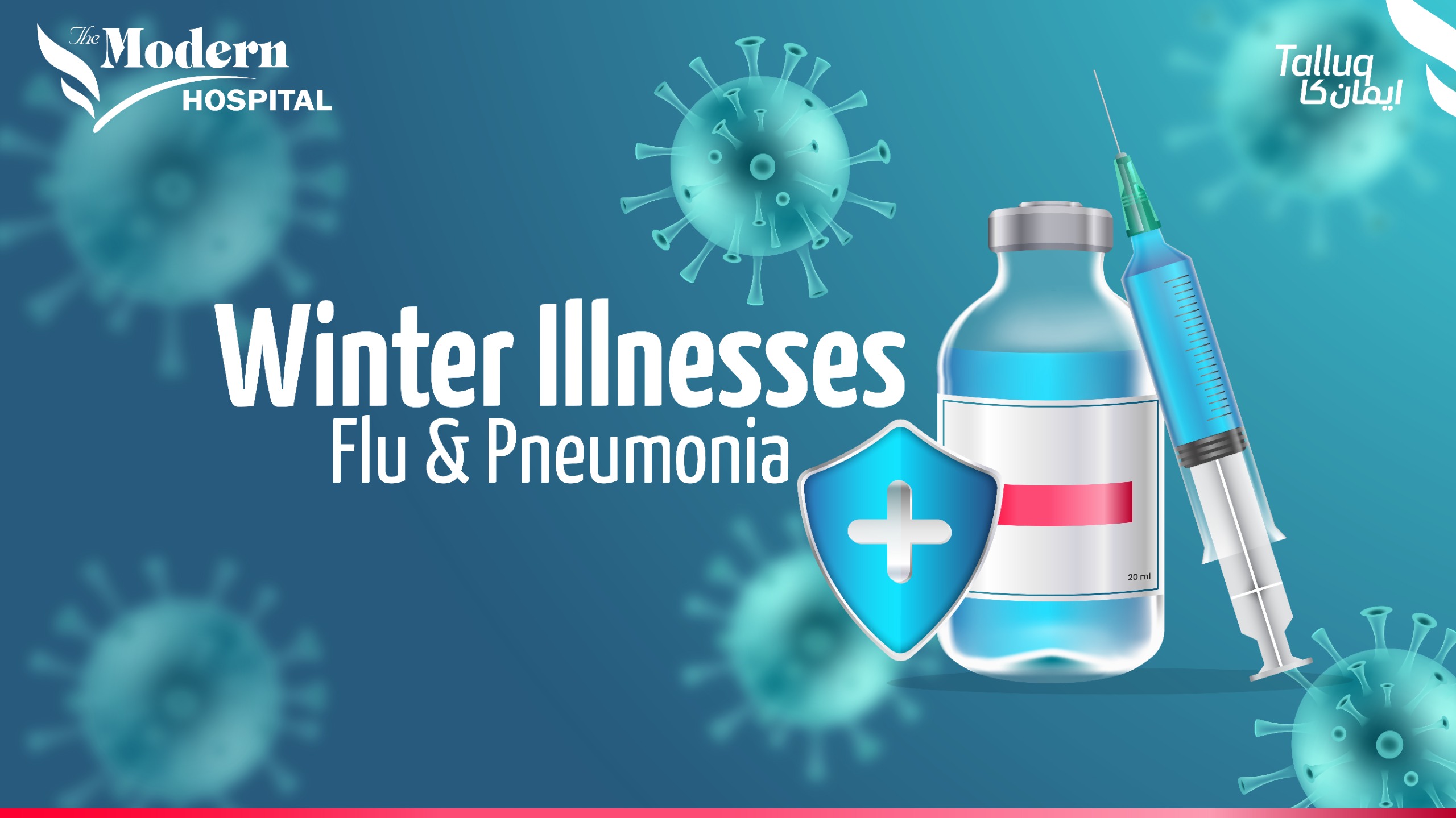
Winter itself doesn’t cause sickness—weak habits during winter do. Cold weather pushes people indoors, viruses spread faster, and your immune system takes a hit if you don’t take care of yourself.
Two major troublemakers dominate the season:
-
Flu
-
Pneumonia
Both can leave you bedridden for days, and pneumonia can land you in the hospital if ignored.
Common Winter Illnesses
Every winter brings a wave of viral and bacterial infections. These spread more easily because people spend more time indoors and in close contact with others. Below are some of the most common winter illnesses.
1. Common Cold
The common cold is especially widespread during colder months. Dry, cold climates create ideal conditions for the rhinovirus to survive and spread.
-
Symptoms are usually mild
-
You can continue daily activities
-
Typically resolves in 2–4 days
If symptoms last longer or worsen, seek medical advice.
2. Flu (Influenza)
The flu returns every year and is more serious than a cold.
-
Affects about 1 billion people worldwide annually
-
Seniors and people with weak immunity are at higher risk
-
Can become life-threatening if untreated
3. Pneumonia
Pneumonia is a serious and potentially life-threatening lung infection.
-
Caused by viruses or bacteria (commonly Streptococcus pneumoniae)
-
Infection fills the lung’s air sacs (alveoli) with fluid
-
Leads to shortness of breath and chest discomfort
Spread occurs through:
-
Coughing or sneezing
-
Touching infected surfaces, then touching the mouth or nose
How to Stay Safe from Winter Illnesse
Cold weather and shorter days often reduce motivation to stay active and healthy, weakening the immune system. Prevention is far better than treatment. Plan ahead and protect yourself.
1. Get Vaccinated
-
Flu vaccine: Every year
-
Pneumonia vaccine:
-
Adults 50+
-
People with diabetes
-
Asthma or COPD patients
-
If you avoid vaccines out of laziness, you’re choosing vulnerability.
2. Strengthen Your Immune System
Forget extreme diets—stick to the basics:
-
Sleep 7–8 hours nightly
-
Drink enough water
-
Eat real food:
-
Fruits
-
Vegetables
-
Protein
-
3. Keep Your Hands Clean
Wash your hands properly.
Not a quick 2-second rinse—thorough washing matters.
4. Stay Warm
Cold weather doesn’t directly cause illness, but it weakens your body’s defenses. Dress appropriately and avoid prolonged exposure to cold.
5. Don’t Ignore Symptoms
Seek medical care immediately if:
-
Breathing becomes difficult
-
Fever doesn’t improve after 48 hours
Early treatment prevents complications.
Conclusion
Winter illnesses are not unbeatable. Most people get sick because they ignore simple habits, delay care, and take their health casually.
Don’t be that person.
Build immunity.
Stay clean.
Get vaccinated.
And never let small symptoms turn into serious problems.
News & Blogs